

Should HOAs Hire Private Security Guards? What Boards Need to Know
Homeowners’ associations are facing growing pressure to address safety concerns. Whether it’s vehicle break-ins, trespassing, vandalism, or simply resident anxiety, many boards eventually ask the same question: Is it time to hire private security guards?
The decision is rarely simple. Security can reduce incidents and improve peace of mind, but it also introduces costs and legal considerations. Before committing HOA funds, boards need a clear understanding of what security actually accomplishes — and where the risks lie.
Why More HOAs Are Taking Security Seriously
Communities today expect more oversight than they did a decade ago. Residents want to know that common areas are monitored, amenities are protected, and unauthorized visitors are addressed quickly. In California especially, where many neighborhoods operate within HOA-managed developments, expectations around safety and visible deterrence continue to rise.
Typical triggers that push HOAs toward hiring security include:
- Repeated car break-ins
- Package theft complaints
- Gate bypassing or tailgating
- Non-residents using community amenities
- Ongoing parking violations or guest parking abuse
- Increased noise or parking disputes
Even if crime rates are relatively low, perception matters. When residents feel unsafe, satisfaction declines, and property values can suffer, particularly in competitive housing markets like California.
How Private Security Guards Help Deter Crime
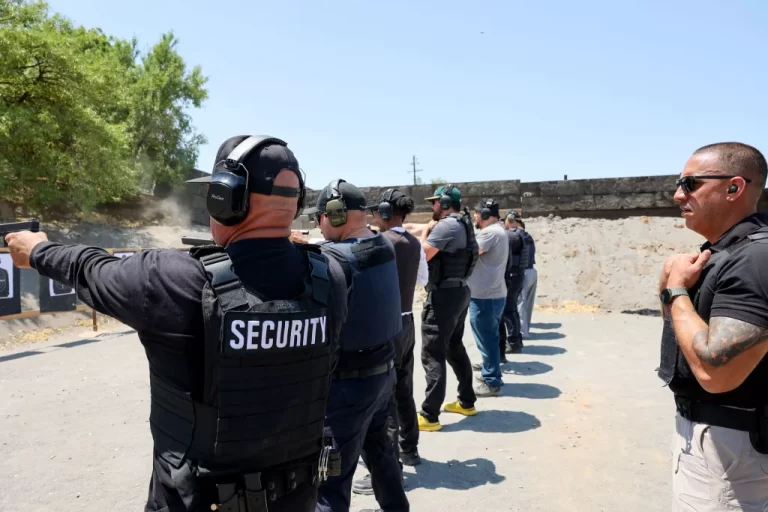
The most immediate benefit of hiring security is visibility. A uniformed presence signals that the property is actively monitored. In California communities where gated access and shared amenities are common, that visible presence can play a meaningful role in discouraging unwanted activity.
Guards can:
- Patrol common areas
- Monitor entrances and exits
- Check credentials at gated communities
- Enforce community parking policies
- Document suspicious activity
- Contact law enforcement when necessary
- Conduct vacation checks on a homeowner’s property when they are out of town for extended periods of time
Most property crimes are opportunistic. When a neighborhood appears unmonitored, it becomes a target. A visible patrol changes that equation, particularly in high-traffic residential areas throughout California.
Security guards also serve as a deterrent to non-criminal but disruptive behavior. Enforcing parking rules, pool hours, and guest policies can reduce friction between residents and help maintain consistent standards within California HOA communities.
Can Security Improve Resident Confidence?
Safety is both practical and psychological. Even in relatively quiet neighborhoods, residents often feel more comfortable knowing someone is watching over the property.
Visible patrols can:
- Reduce anxiety among homeowners
- Increase satisfaction with HOA leadership
- Strengthen community trust
- Support long-term property value stability
In larger gated communities, especially, guards often become a familiar and reassuring presence.
What Does It Actually Cost to Hire HOA Security?
Costs vary depending on the type and level of service. Boards typically choose between stationed guards and mobile patrol services.
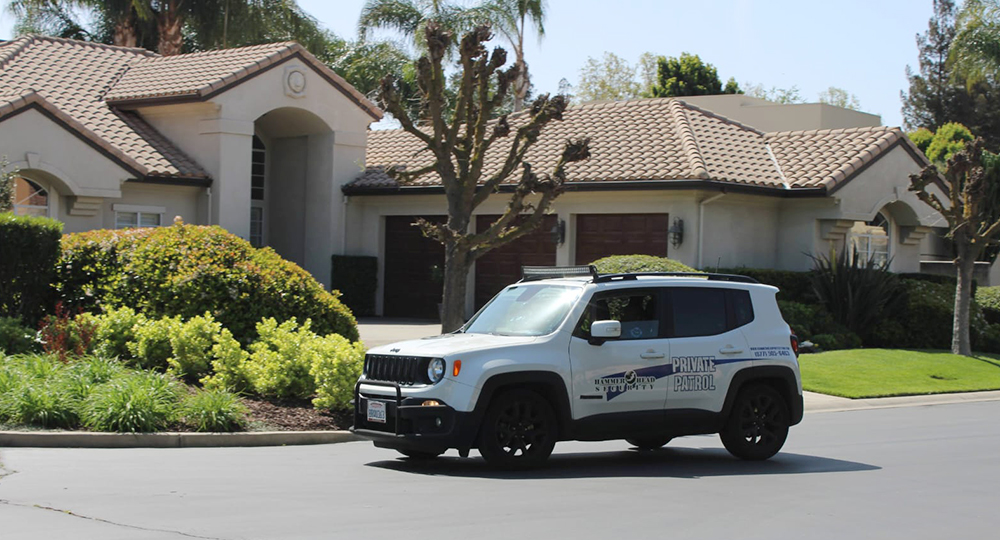
Stationed guards provide consistent visibility but require higher ongoing investment, especially if 24-hour coverage is needed. Mobile patrols offer scheduled or random visits throughout the property and are often more cost-effective.
Key factors that influence pricing include:
- Number of hours per week
- Armed versus unarmed personnel
- Community size and layout
- Number of access points
- Special training requirements
Some HOAs start with limited evening or weekend coverage and adjust based on results. Others combine guards with technology such as cameras or access control systems to reduce the number of hours required.
Before moving forward, boards should evaluate:
- Whether the dues will need to increase
- If reserve funds can be used
- Whether coverage will be temporary or long-term
Security is rarely a one-time expense. It’s an ongoing operational decision.
Does Hiring Security Increase or Reduce Liability?
Liability is often misunderstood. Some boards worry that hiring security means taking on more responsibility. In reality, properly structured security services can reduce risk.
When an HOA hires a licensed security company, the firm typically carries:
- General liability insurance
- Workers’ compensation coverage
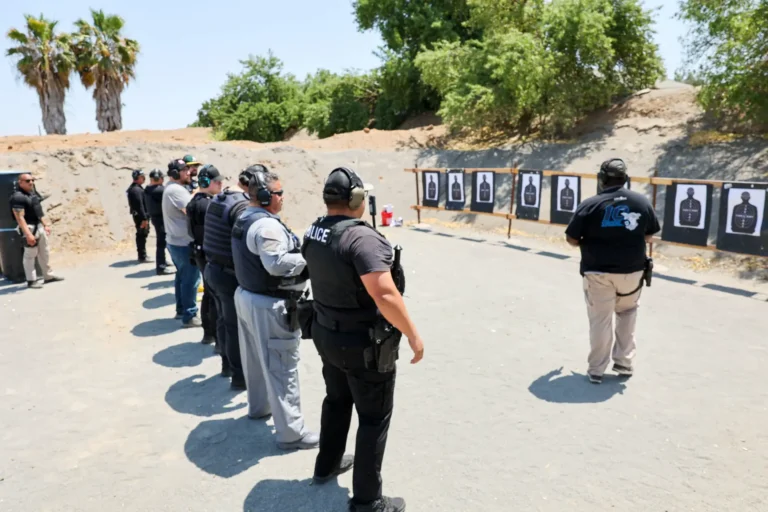
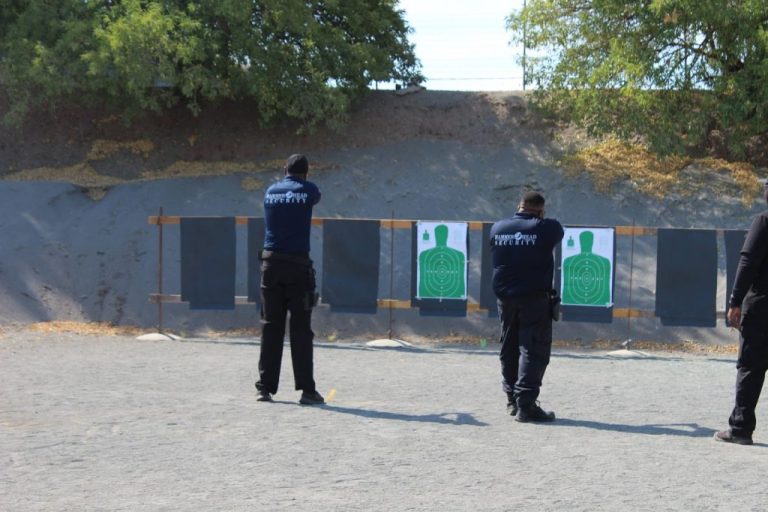
- Trained and certified personnel
This helps transfer operational risk away from the association.
Clear documentation also plays an important role. Daily Activity Reports and Incident Reports, supported by photographic evidence, demonstrate that issues were addressed consistently. That record can be critical if disputes arise over Parking Enforcement or alleged inaction.
However, poorly defined responsibilities or inadequate oversight can create exposure. If guards exceed their authority or if expectations are unclear, disputes may arise.
It’s also important to understand the opposite risk. If repeated incidents occur and the board ignores them, residents may argue that reasonable precautions were not taken. While HOAs are not required to guarantee safety, documented inaction can create legal challenges.
Boards should always:
- Review governing documents
- Consult legal counsel before signing contracts
- Clearly define guard duties
- Confirm insurance coverage limits
Security guards observe, report, and deter. They are not law enforcement officers, and their role should remain clearly defined.
Are There Alternatives to Full-Time Security Guards?
Hiring guards is not the only option. Some communities achieve strong results through layered strategies.
Alternatives may include:
- Improved lighting in high-risk areas
- Updated gate access systems
- Expanded camera coverage
- License plate monitoring
- Event-based or seasonal patrol services
In some cases, combining limited patrol services with improved technology delivers strong deterrence without full-time staffing costs.
How Should Your HOA Make the Final Decision?
Every community has different needs. A small association with minimal incidents may not require daily patrols. A large gated development with recurring problems may benefit from a consistent guard presence.
Before deciding, boards should ask:
- What specific issues are we trying to solve?
- Are these incidents ongoing or isolated?
- What level of visibility will realistically make a difference?
- Can the budget support this long-term?
- Have residents been consulted?
Surveying homeowners can clarify whether security is a widespread concern or limited to a vocal minority.
The Bottom Line: Is Private Security Worth It for HOAs?
The key is balance. When boards approach security thoughtfully, with clear contracts, defined expectations, structured Parking Enforcement, and transparent communication, it becomes a strategic investment rather than a reactive expense.
For HOAs in California evaluating their next steps, speaking with a knowledgeable security provider can help clarify options, costs, and service scope. The right plan should support safer, more stable neighborhoods while reinforcing consistent enforcement and documentation practices.
Partnering with an experienced provider such as Hammer Head Security can help HOAs implement structured guard services that align with community needs while maintaining accountability and professional standards. From active patrols and guest parking monitoring to documented DAR and Incident Reports with photographic evidence, professional security adds measurable structure to community oversight.