


Armed vs Unarmed Security: What Actually Works for Your Property
When deciding between armed vs unarmed security, most property owners aren’t looking for the most extreme option. They’re looking for the right one. The decision affects safety, liability, operating costs, and how people experience your property day to day.
Armed and unarmed security guards serve very different purposes. Understanding where each one fits helps you protect your property without overspending or creating unnecessary risk.
Armed vs Unarmed Security: What’s the Real Difference?
The difference isn’t just whether a guard carries a firearm. It’s about how security issues are expected to be handled.
Unarmed security guards focus on prevention. They monitor activity, manage access points, document incidents, and step in early using communication and de-escalation. Their role is to keep situations from escalating in the first place.
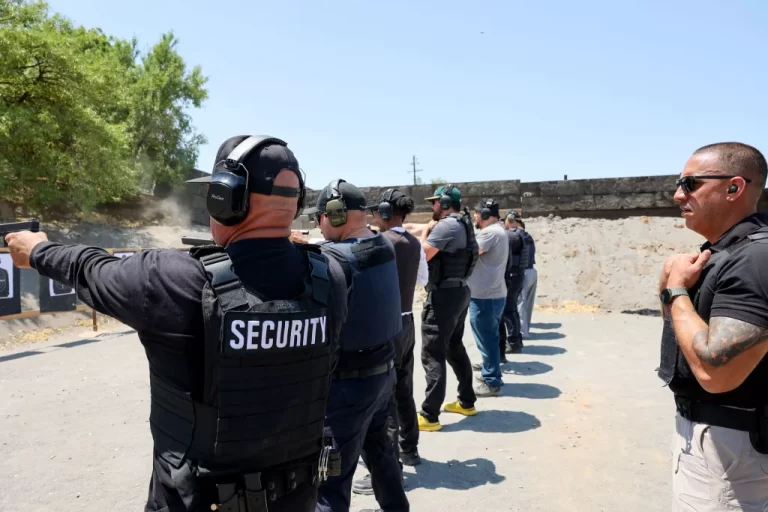
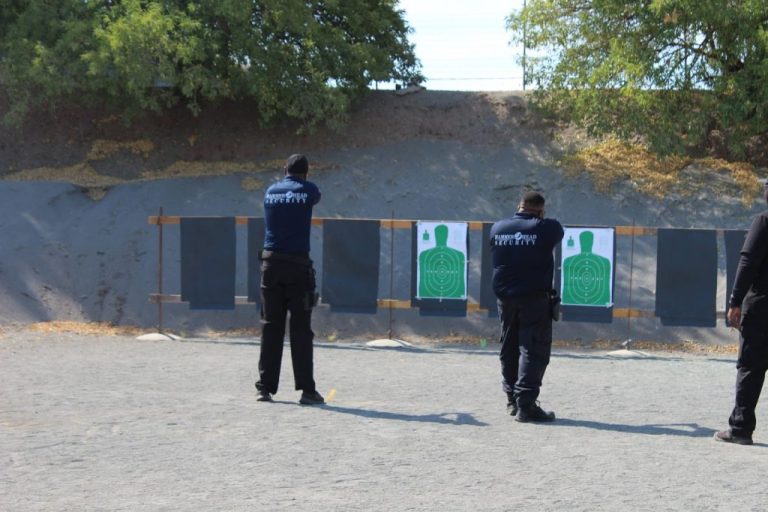
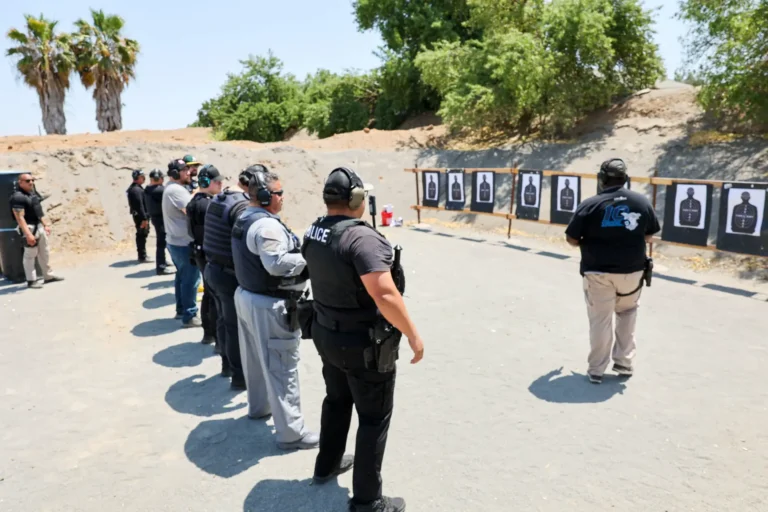
Armed security guards are trained for environments where violence is a realistic concern. Along with standard security training, they complete firearms certification, background checks, and licensing. Their presence alone can discourage serious criminal activity before it starts.
Armed guards are also required to complete ongoing requalification training. In California, armed guards must requalify with a BSIS-certified firearms instructor twice per year to maintain compliance and readiness.
Both options are effective when used in the right environment.
When Armed Security Is Necessary, Not Optional
Armed security is best suited for properties where the risk of violent incidents is higher or where valuable assets must be protected without hesitation. In these settings, deterrence alone may not be enough.
This is especially true for facilities where large amounts of cash are stored, handled, or transferred as part of daily operations. When cash handling is routine, the presence of an on-site armed guard can significantly reduce the risk of robbery and violent escalation.
Properties that often require armed security include:
- Financial institutions and cash-handling businesses
- Cannabis dispensaries
- High-value construction or industrial sites
- Restricted-access facilities
- Locations with a history of violent incidents
In these environments, armed guards provide a visible, immediate layer of protection that helps prevent serious threats.
Why Businesses Choose Armed Security
- Strong deterrent against violent crime
- Ability to respond immediately to high-risk situations
- Often required by insurers or industry regulations
- Greater protection during cash movement, deposits, and on-site transfers
Where Armed Security Can Create Risk
- Higher hourly and insurance costs
- Increased legal and liability exposure
- Can feel excessive or intimidating in public-facing spaces
Why Unarmed Security Is Often the Smarter Choice
For many properties, unarmed security delivers exactly what’s needed without introducing unnecessary complications. These guards are trained to observe, report, control access, and manage situations calmly and professionally.
You’ll often see unarmed security in places such as:
- Office buildings and corporate campuses
- Retail stores and shopping centers
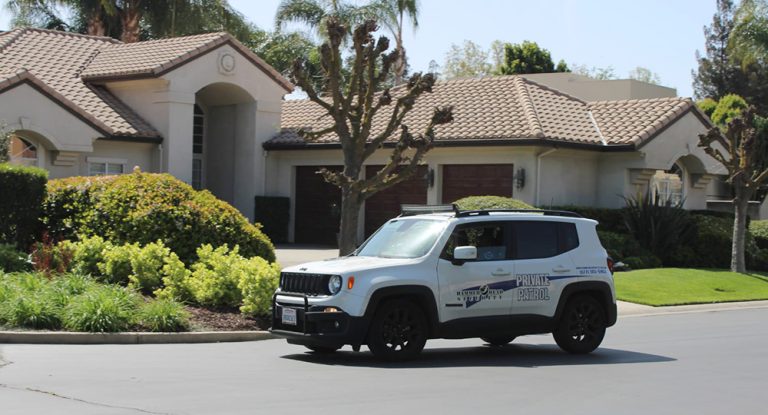
- Residential communities
- Healthcare facilities
- Events and venues
In these environments, an armed presence can disrupt the atmosphere rather than improve safety. Unarmed guards help maintain order while remaining approachable.
Why Unarmed Security Works in More Places Than You Think
- Lower overall cost for ongoing coverage
- Reduced liability exposure
- More comfortable presence for staff, customers, and residents
- Strong focus on prevention and early intervention
Where Unarmed Security Has Limits
- Limited response capability during violent incidents
- Less effective deterrence in high-crime or high-risk areas
How Cost Really Breaks Down Between Armed and Unarmed Guards
Cost differences reflect responsibility and risk, not just equipment.
Armed security typically costs more because guards must complete firearms training, maintain permits, and be covered by higher insurance limits. That added expense only makes sense when the threat level justifies it.
Unarmed security is more affordable and often better suited for long-term coverage in lower-risk environments. Choosing armed security without a clear need can increase costs without improving safety.
The Legal and Liability Risks You Can’t Ignore
Armed security is heavily regulated. Guards must meet state licensing requirements, maintain firearms permits, and complete ongoing training. Any failure to meet these standards can expose property owners to serious legal and financial consequences.
Unarmed guards also require licensing and training, but the regulatory burden is lighter. For many businesses, this makes unarmed security the safer operational choice unless armed coverage is clearly warranted.
How to Choose the Right Level of Security
The best security decision is based on actual risk, not assumptions.
Consider factors like:
- Whether the property has experienced past incidents
- The presence of high-value assets
- Public access and daily foot traffic
- How an armed presence would affect staff and visitors
Some properties benefit from a layered approach, using unarmed security for daily operations and armed guards during higher-risk hours or special events.
Build a Security Strategy That Actually Protects Your Property
Effective security isn’t about choosing the most aggressive option. It’s about matching protection to real-world conditions.
A professional assessment can determine whether armed security, unarmed security, or a combination of both is the best fit. That clarity helps control costs, reduce liability, and improve overall safety.
If you’re evaluating armed vs unarmed security and want experienced guidance, Hammer Head Security can help. Contact Hammer Head Security today for a consultation and protect your property with a security plan built around your actual needs.